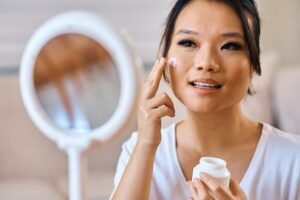

Skincare has evolved dramatically over the past few years, and 2025 promises to bring even more innovative formulations and targeted solutions. With countless products flooding the market, finding the right skincare routine for your specific skin type can feel overwhelming. The key to achieving healthy, radiant skin lies in understanding your unique skin needs and selecting products that work harmoniously with your natural skin barrier.
Whether you’re dealing with excess oil, persistent dryness, or somewhere in between, the right combination of cleansers, toners, moisturizers, and treatments can transform your skin’s appearance and health. This comprehensive guide will help you navigate the best skincare products of 2025, ensuring you make informed decisions that deliver real results.
The beauty industry continues to prioritize clean, science-backed ingredients while moving away from harsh chemicals that can compromise skin health. From breakthrough serums to gentle yet effective cleansers, 2025’s skincare landscape offers something for everyone. Let’s explore how to build the perfect routine tailored specifically to your skin type.
Understanding Your Skin Type
Before diving into product recommendations, identifying your skin type is crucial for creating an effective routine. Your skin type determines how your skin produces oil, retains moisture, and reacts to different ingredients.
Oily skin typically appears shiny, especially in the T-zone, and may be prone to enlarged pores and frequent breakouts. This skin type produces excess sebum throughout the day, often requiring oil-control products.
Dry skin often feels tight, rough, or flaky, particularly after cleansing. It may appear dull and show signs of premature aging due to lack of moisture and natural oils.
Combination skin features both oily and dry areas, usually with an oily T-zone and drier cheeks. This skin type requires a balanced approach to address different needs across facial zones.
Sensitive skin reacts easily to products, environmental factors, or ingredients, often resulting in redness, burning, stinging, or irritation.
Normal skin maintains a healthy balance of oil and moisture, rarely experiences breakouts, and generally tolerates most products well.
To determine your skin type, cleanse your face with a gentle cleanser and wait one hour without applying any products. Observe how your skin feels and looks during this time to identify which category best describes your skin’s natural state.
Best Skincare Products for Oily Skin
Oily skin benefits from lightweight, oil-free formulations that control excess sebum without stripping the skin’s natural barrier. The goal is to maintain balance while preventing clogged pores and breakouts.
Cleansers for oily skin should remove excess oil and impurities without over-drying. Look for gentle foaming cleansers containing salicylic acid or benzoyl peroxide. These ingredients help unclog pores while maintaining skin’s pH balance. Gel-based cleansers with tea tree oil or niacinamide also provide effective oil control.
Toners play a crucial role in refining pores and removing residual impurities. Alcohol-free formulations with salicylic acid, witch hazel, or niacinamide help control oil production while providing gentle exfoliation. Avoid harsh, astringent toners that can trigger increased oil production.
Moisturizers are essential even for oily skin. Lightweight, gel-based formulas with hyaluronic acid provide necessary hydration without adding heaviness. Non-comedogenic moisturizers prevent clogged pores while maintaining skin barrier function.
Treatments for oily skin should focus on pore refinement and oil control. Serums containing niacinamide, retinol, or AHA/BHA acids help regulate sebum production and promote cell turnover. Tea tree oil treatments can target specific breakout areas without over-drying surrounding skin.
Top Skincare Picks for Dry Skin
Dry skin requires intensive hydration and barrier repair to maintain healthy moisture levels and prevent irritation. The focus should be on nourishing ingredients that restore and protect the skin’s natural barrier.
Cleansers for dry skin should provide gentle cleansing without stripping natural oils. Creamy, milk-based cleansers with ceramides, glycerin, or natural oils effectively remove impurities while adding moisture. Avoid foaming cleansers that can further dehydrate already dry skin.
Toners should focus on hydration rather than astringency. Look for essence-like toners with hyaluronic acid, glycerin, or rose water that provide an additional layer of moisture. These products help prepare skin to better absorb subsequent treatments and moisturizers.
Moisturizers are the cornerstone of dry skin care. Rich, emollient formulas with shea butter, ceramides, and essential fatty acids help restore the skin barrier and lock in moisture. Night creams can be particularly beneficial for intensive overnight repair.
Treatments should focus on deep hydration and barrier repair. Serums with hyaluronic acid, vitamin E, or peptides provide targeted moisture and anti-aging benefits. Face oils containing jojoba, argan, or rosehip oil can provide additional nourishment for severely dry skin.
Skincare Essentials for Combination Skin
Combination skin requires a balanced approach that addresses both oily and dry areas without over-treating either zone. The key is finding products that provide moisture where needed while controlling oil in problem areas.
Cleansers should be gentle yet effective across different skin zones. Look for balanced, pH-neutral cleansers that won’t over-dry cheeks or under-cleanse the T-zone. Gentle foaming or cream cleansers with mild surfactants work well for most combination skin types.
Toners should provide balance without being too astringent or too rich. Alcohol-free formulas with antioxidants like vitamin C or green tea extract help maintain skin equilibrium while providing light hydration.
Moisturizers can be tricky for combination skin. Lightweight, fast-absorbing formulas with hyaluronic acid provide necessary hydration without heaviness. Some people benefit from using different moisturizers on different facial areas.
Treatments should target specific concerns in different zones. Spot treatments with salicylic acid or benzoyl peroxide can address oily T-zone issues, while hydrating serums can target drier cheek areas.
Gentle Skincare for Sensitive Skin
Sensitive skin requires careful product selection and gentle formulations that won’t trigger irritation or inflammatory responses. The focus should be on soothing, hypoallergenic ingredients that strengthen the skin barrier.
Cleansers for sensitive skin should be fragrance-free and hypoallergenic. Gentle, milk-based cleansers or micellar water provide effective cleansing without irritation. Avoid products with sulfates, alcohol, or synthetic fragrances.
Toners should be soothing and alcohol-free. Look for formulas with aloe vera, chamomile, or calendula that calm irritation while providing gentle hydration. Rose water or thermal spring water can also be excellent options for sensitive skin.
Moisturizers should focus on barrier repair and protection. Ceramide-rich formulas with minimal ingredients help strengthen the skin barrier without risk of irritation. Look for products specifically labeled for sensitive skin and dermatologist-tested.
Treatments should be introduced slowly and contain minimal ingredients. Gentle serums with hyaluronic acid or niacinamide can provide benefits without irritation. Always patch test new products and introduce them gradually into your routine.
Must-Have Skincare Products for Normal Skin
Normal skin has the luxury of tolerance for most ingredients while still benefiting from a consistent routine that maintains its healthy state and prevents future concerns.
Cleansers should be mild and pH-balanced to maintain skin’s natural equilibrium. Both cream and gel cleansers work well, allowing for personal preference and seasonal adjustments.
Toners can provide additional hydration and prepare skin for treatments. Antioxidant-rich formulas with vitamin C or peptides help maintain skin health and provide anti-aging benefits.
Moisturizers should provide daily hydration without being too heavy or too light. Look for formulas with beneficial ingredients like hyaluronic acid, peptides, or antioxidants that provide long-term skin health benefits.
Treatments can focus on prevention and enhancement. Retinol serums, vitamin C treatments, or peptide formulas help maintain skin quality and prevent signs of aging.
Ingredients to Watch Out For
Understanding ingredient labels helps you make informed decisions about skincare products. Some ingredients can be irritating or counterproductive for certain skin types.
Common irritants to avoid include sulfates, which can strip the skin’s natural oils; synthetic fragrances, which frequently cause allergic reactions; and high concentrations of alcohol, which can lead to dryness and irritation.
Beneficial ingredients to seek out include hyaluronic acid for hydration, vitamin C for antioxidant protection, retinol for anti-aging benefits, niacinamide for oil control and barrier support, and peptides for collagen production support.
How to Build a Skincare Routine
An effective skincare routine follows a specific order to maximize product efficacy and minimize irritation. The basic routine includes cleanser, toner, serum, moisturizer, and sunscreen during the day.
Morning routines should focus on protection with antioxidant serums and broad-spectrum SPF. Evening routines can include more active ingredients like retinol or AHA/BHA acids that work overnight.
Layer products from thinnest to thickest consistency, allowing each product to absorb before applying the next. This ensures maximum penetration and effectiveness of each product in your routine.
Frequently Asked Questions
How often should I exfoliate my skin?
Exfoliation frequency depends on your skin type and the type of exfoliant used. Most people benefit from exfoliating 1-3 times per week. Oily skin can typically handle more frequent exfoliation, while sensitive skin should limit exfoliation to once weekly or less. Always start slowly and increase frequency gradually.
Can I mix different skincare brands?
Yes, you can absolutely mix different skincare brands. Focus on ingredient compatibility rather than brand consistency. Ensure products work well together by introducing new items gradually and monitoring your skin’s response.
What should I do if a product causes irritation?
Discontinue use immediately and rinse the area with cool water. If irritation persists, consult a dermatologist. When introducing new products, always patch test on a small area first and introduce one new product at a time.
Is sunscreen necessary even on cloudy days?
Yes, sunscreen should be worn daily regardless of weather conditions. UV rays penetrate clouds and can cause skin damage even when the sun isn’t visible. Daily SPF use is one of the most important steps for preventing premature aging and skin cancer.
How long should I wait to see results from new skincare products?
Most skincare products require 4-6 weeks of consistent use to show noticeable results. Some ingredients like retinol may take 8-12 weeks for full benefits. Be patient and consistent with your routine for best results.
Wrap Up
Creating an effective skincare routine requires understanding your unique skin type and selecting products that address your specific concerns. The best skincare products of 2025 offer advanced formulations that work with your skin’s natural processes rather than against them.
Remember that skincare is highly individual, and what works for others may not work for you. Start with basic, gentle formulations and gradually introduce more active ingredients as your skin builds tolerance. Consistency is more important than using the most expensive or trendy products.
Consider consulting with a dermatologist for personalized advice, especially if you have persistent skin concerns or conditions. They can provide professional guidance tailored to your specific needs and help you navigate the overwhelming world of skincare options with confidence.