
Jewelry has always been more than just a form of adornment; it’s a way to express personal style, culture, and individuality. However, the jewelry industry is undergoing significant changes, as responsibility for the planet and ethical choices are more important than ever. People want to know an item’s price, origin, production process, and how it aligns with their environmental values. By 2025, sustainable jewelry will be more than just a niche market; it will be the future of luxury.
Today, eco-friendly methods of making and wearing jewelry include the use of recycled metals and lab-grown diamonds. This guide explores the top eco-friendly jewelry trends for 2025 and how they will combine style, ethics, and environmental values.
The Rise of Eco-Friendly Jewelry
Consumer awareness has shifted dramatically over the past decade. More and more people are concerned about the social and environmental impacts of traditional jewelry production, such as mining, unfair labor practices, and carbon footprints. In response, brands are emphasizing transparency, using environmentally friendly products, and choosing responsibly produced items.
Eco-friendly jewelry is no longer just an option; it’s now standard. Designers large and small are embracing green practices, making it easier for customers to find ethically produced jewelry that combines style and luxury.
Lab-grown diamonds are an excellent option
By 2025, lab-grown diamonds will be the most environmentally friendly way to make jewelry. They possess the same physical, chemical, and visual properties as synthetic diamonds, but without the environmental damage or social problems associated with artificially mined diamonds. These diamonds are grown in high-tech laboratories that mimic natural conditions. They look identical to natural diamonds, with virtually no discernible difference.
Even more attractive is their price. Today, people can buy bigger, better diamonds for less money, and they find it reassuring to know that their purchase is helping the environment. Lab-grown diamonds are being incorporated into a growing number of jewelry pieces, such as engagement rings, earrings, bracelets, and even luxury watches.
Giving Old Objects New Life with Recycled Metals
Another powerful trend transforming the jewelry industry is the recycling of gold, silver, and platinum. Brands are no longer simply mining new raw materials; they are breaking down and refining metals already used in jewelry, electronics, and industry. The end result is high-quality metal that is environmentally friendly without compromising its beauty or strength.
Recycling metal reduces waste, conserves natural resources, and limits the environmental impact of mining. By 2025, many luxury jewelry brands will be proud to use only 100% recycled gold in their products. This is because sustainability is a key component of their design philosophy.
Ethical and Fair Trade Gemstones
Besides diamonds, colored gemstones such as emeralds, sapphires, and rubies are experiencing renewed appeal and enduring popularity. In the past, diamond mining raised concerns about environmental damage and worker abuse. Today, Fair Trade licensing and ethical sourcing programs ensure that diamonds are sourced in a way that benefits both workers and the environment.
By 2025, customers will expect to be able to trace their gemstones and know exactly where they came from and how they were made. They will trust brands that prioritize this integrity and remain loyal.
Simple, Classic Designs
Another trend in eco-friendly jewelry for 2025 is classic styles that can be paired with a variety of outfits. People are looking for jewelry that lasts and can be passed down from generation to generation, rather than fast-fashion-inspired pieces that quickly go out of style.
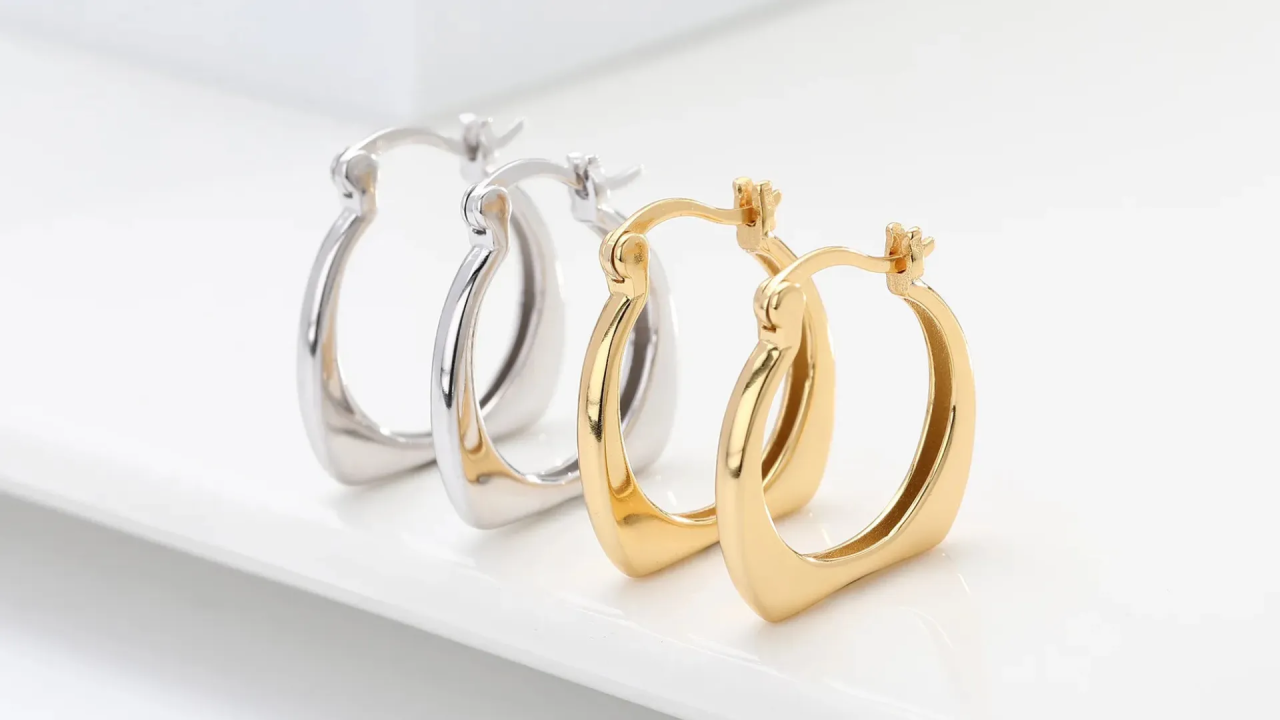
Sustainable jewelry styles are starting to include simple rings, beautiful pendants, and classic earrings. Choosing timeless pieces not only reduces waste but also supports responsible consumption, making every purchase feel special.
New Materials in Jewelry Design
Environmental awareness is driving jewelry designers to be more creative. By 2025, designers will be experimenting with new, eco-friendly materials you might not expect. These new concepts are changing the meaning of luxury. Think recycled glass, bio-resin, and reclaimed wood and pottery.
Young people are embracing these
Eco-friendly packaging, such as the use of recyclable paper, biodegradable materials, and reusable jewelry boxes, integrates sustainability into every aspect of the customer experience.
Today, environmentally conscious people are drawn to brands that exude eco-friendly values, both in style and image. These brands’ packaging now demonstrates their integrity and commitment to responsibility.
How Technology Makes Jewelry Last Longer
Technology is helping to improve sustainable jewelry practices. For example, blockchain technology is used to trace the origins of diamonds and other gemstones, ensuring all information is clear and authentic. This digital verification method allows people to trust that their jewelry is well-made and long-lasting.
Furthermore, advancements in 3D printing, lab-grown diamonds, and computer design tools are reducing waste and energy consumption in jewelry production. Technology is proving to be a key driver in making the jewelry industry more environmentally friendly.
The Future of Jewelry and How People See It
With increasing knowledge, people are making choices that align with their beliefs. Sustainability is no longer just a buzzword in business; it’s an expectation. By 2025, jewelry buyers will no longer just be looking for beautiful pieces; they will also be purchasing jewelry that demonstrates their commitment to ethics, responsibility, and the environment.
Stylish and eco-friendly jewelry is the future. Brands that uphold these values will remain relevant and ensure customers can enjoy a luxury experience that is both comfortable and affordable.
FAQs
What does sustainability mean in jewelry?
Eco-friendly materials, lab-grown diamonds, ethically sourced gemstones, and environmentally sound production methods are all used to create sustainable jewelry. This also applies to companies that operate with integrity and comply with fair labor laws.
Are lab-grown diamonds real diamonds?
Lab-grown diamonds are real diamonds. Gemologists around the world recognize them as authentic because they have the same chemical and physical properties as natural diamonds.
Why is using recycled metals better for the planet?
Because recycled metals don’t need to be re-mined, they protect the planet, prevent excessive resource depletion, and reduce carbon emissions.
Is sustainable jewelry pricier?
Not always. Some eco-friendly practices can make jewelry pricier, but lab-grown diamonds and recycled metals often make sustainable jewelry more affordable than traditionally crafted fine jewelry.
How do I know if the jewelry I buy is truly eco-friendly?
Look for brand promises, public reports, and certifications. Reputable brands clearly disclose the sources of their materials and explain their commitment to sustainability.
Wrap Up
Sustainable jewelry is the perfect blend of style, ethics, and innovation in 2025. The jewelry industry is constantly evolving to meet the needs of environmentally conscious consumers. Lab-grown diamonds, recycled metals, eco-friendly packaging, and fair-trade gemstones are all on the rise. These styles demonstrate that being fashionable doesn’t have to mean harming the environment.
By choosing jewelry made from sustainable materials, you not only enhance your style but also contribute to a brighter and more responsible future. Elegant, eco-friendly jewelry is now the norm, and that trend isn’t going away anytime soon.